Balance Is Boring: How to Design Work That Honours Your ADHD Energy Cycles (Instead of Fighting Them)
Balance is a lovely idea, it’s just not for the ADHD brain.
And if you’ve spent years chasing it, blaming yourself for never quite achieving it, the reality is:
You’re not failing at balance.
Balance is failing you.
Balance, at least the way the world defines it, assumes predictable focus, consistent motivation, stable energy, and an ability to “pace” yourself.
That is just not how ADHD wiring works.
Not even on its best days.
And yet, high-achieving ADHD women keep trying to force themselves into this mythical middle ground: not too much, not too little, not too intense, not too tired, not too passionate, not too drained…
Exhausting, isn’t it?
Let’s talk about why this doesn’t work and what does.
The Neuroscience Of Why Balance Fails ADHD Women
The traditional idea of balance assumes:
- steady attention
- predictable motivation
- linear productivity
- consistent emotional bandwidth
- equal energy for work, home, and rest
But ADHD brains are rhythmic, not linear.
They run on cycles, not consistency.
And they are governed by dopamine, interest, novelty, urgency, and emotion, not quiet slow-burning motivation.
Let’s break it down.
1. Your Energy Comes in Waves, Not Straight Lines
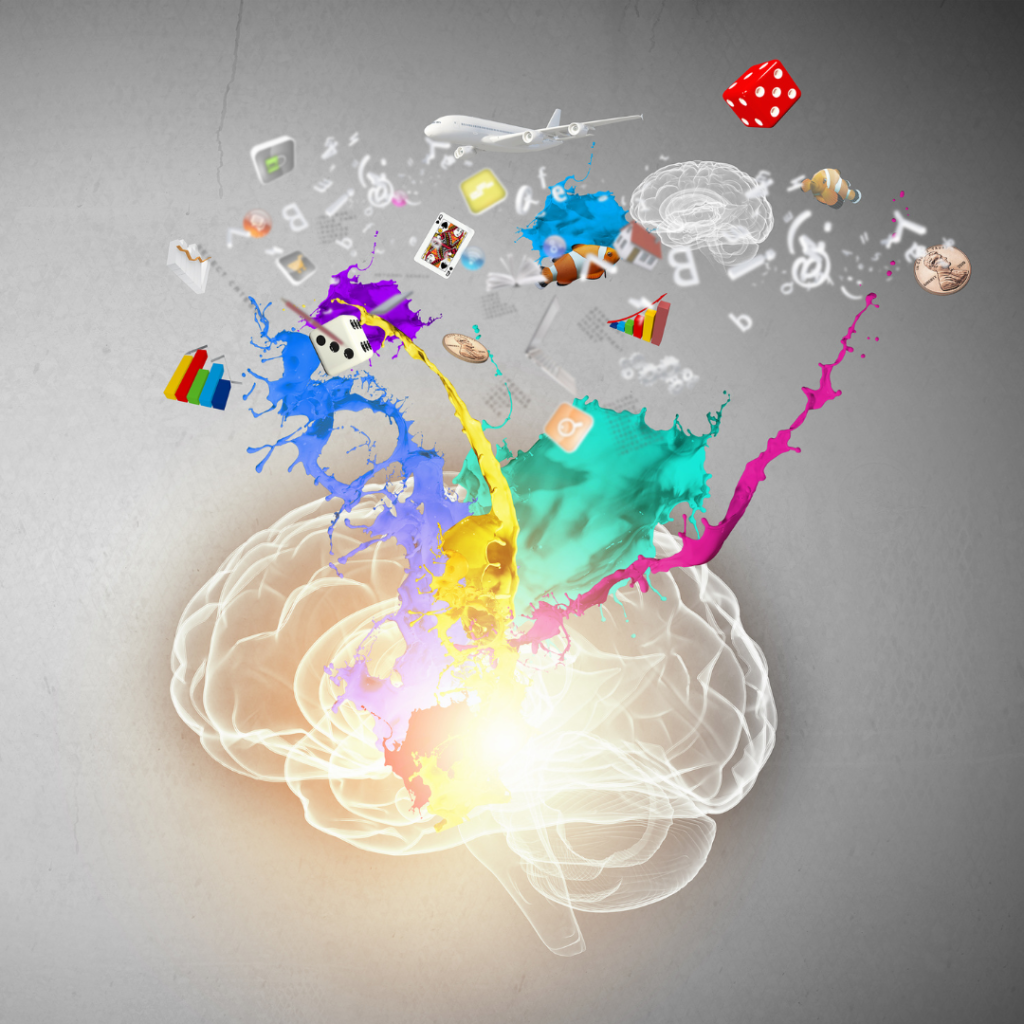
Some days your brain is lit up like a creative fireworks display.
Other days you can barely remember what task you were doing five seconds ago.
This is your neurology, not inconsistency.
ADHD brains naturally fluctuate between high energy (hyperfocus, creativity, momentum) and low energy (brain fog, emotional depletion, distraction). Trying to flatten this into a “balanced” daily output often leads to:
- burnout
- guilt
- procrastination
- internal self-criticism
- and a deep sense that something is “wrong” with you
Nothing is wrong.
You’re just not designed for balance.
You’re designed for cycles.
2. Dopamine Makes Things Uneven by Nature
ADHD brains have lower dopamine tone and motivation pathways that don’t regulate in steady doses. When dopamine spikes, you feel alive, engaged, and driven. When it drops, everything feels too heavy, too tedious, or too overwhelming.
“Balanced” motivation is simply not biologically possible.
3. Emotional Intensity Creates Natural Peaks and Dips
Your emotions don’t move at a slow simmer.
They spike, swing, deepen, and morph.
This is normal for ADHD, your emotional circuitry (especially the amygdala and prefrontal cortex loops) responds faster and stronger. “Stay calm and balanced” is unrealistic when your brain is wired for intensity and responsiveness.
4. Task Switching Is Costly
Maintaining perfect “life balance” requires constant task-switching: work → home → admin → rest → exercise → socialising → work again…
ADHD brains lose energy with each switch.
Balance demands too many transitions and transitions drain you.
What Works Instead: Integration
You don’t need balance.
You need integration.
Integration honours:
- your rhythms
- your cycles
- your natural strengths
- your fluctuating energy
- your need for novelty
- your right to rest
Instead of forcing your life into even slices, you design a life where everything works together where work, rest, creativity, connection, and recovery all feed each other.
Think of integration like building your own personal operating system.
How to Design an Integrated ADHD Life
Let’s break it into practical, ADHD-friendly steps that work for real humans with real responsibilities and real fluctuations.
1. Anchor Your Days in Energy, Not Tasks
Most people ask, “What do I need to do today?”
ADHD women do better asking, “What energy am I working with today?”
You might notice:
- high-output days
- lower-focus days
- creative bursts
- organisational waves
- deep-rest days
- people-energy days
- solitude-only days
ADHD energy fluctuates. Once you know which you’re in, you match task types accordingly.
2. Let High-Energy Days Do the Heavy Lifting
Instead of trying to spread effort evenly, use your natural peaks intentionally:
- project sprints
- creative work
- deep thinking
- presentations
- writing
- strategy
In this way, you use strategic bursts to prevent burnout and maximise output.
3. Build Soft Landing Places for Low-Energy Days
Low-energy days aren’t failures. They are simply part of the rhythm.
Design them intentionally for:
- admin
- repetitive tasks
- co-working sessions
- voice notes instead of typing
- 50% workload
- templates over fresh creation
- automation doing the heavy lifting
4. Design for Your Future Tired Self
ADHD women tend to design systems for their motivated self, not the tired self who will actually have to use them.
Integrated design means planning for:
- forgetfulness
- overwhelm
- decision fatigue
- emotional dips
- time blindness
This is realistic self-support.
Examples:
- leaving everything you need in visible, predictable locations
- keeping tools in duplicates (work bag, home, car)
- automating decisions (same breakfast, same gym time, same outfit blueprint)
- pre-written scripts for emails, boundaries, or tricky replies
5. Build Rhythmic Weeks, Not Balanced Days
If balance is a flat line, integration is a wave.
Your week might look like:
- Mon: high-output (strategy, deep work)
- Tue: collaborative day (meetings, connection)
- Wed: admin, small tasks, recovery
- Thu: creative sprint
- Fri: wrap-up, reflection, slow mode
6. Rest Is Not Optional (It’s Neurological)
Your brain uses significantly more energy navigating executive function challenges.
ADHD brains burn fuel faster.
They fatigue faster.
They need recovery sooner.
Rest is not indulgent but especially for ADHD brains.
Rest is how your brain resets dopamine, regulates emotion, consolidates learning, and restores clarity.
If you want sustainable output, rest must be built into your rhythm, not squeezed into the cracks.
What Happens When You Stop Chasing Balance
- guilt reduces
- procrastination drops dramatically
- motivation becomes more predictable
- creativity returns
- burnout fades
- your capacity increases
- you stop feeling defective
- you stop comparing yourself to neurotypical expectations
- you finally feel like you again
You don’t need to be balanced.
You need to be aligned.
Aligned with your energy.
Aligned with your rhythm.
Aligned with your strengths.
Aligned with your way of being.
If You Take One Thing Away
Your brain is not designed for balance and that’s not a flaw.
It’s a different operating system.
You get to choose to design a life that moves like you do:
In cycles.
In waves.
In peaks and rests.
In seasons of output and seasons of recalibration.
Your ADHD energy isn’t a problem to fix.
It’s a rhythm to honour.